I was never bored of life. I was only ever bored of what I'd already built. And it took losing my marriage to finally ask myself why.
Finish one idea, and before the applause even settles, it's already improving itself in my head. Improve it enough, and a new idea is standing right behind it, tapping its foot, waiting its turn. In forty years, I have never once run out. Not for a single day.
People who've followed my career tend to stop at the highlight reel — the first analogue inverter, the plastic-body Chic that made Su-Kam a household name, even the tidy paragraph that now sits on my own Wikipedia page. What they don't see is that none of it ever felt like arriving. Every one of those moments was just a door that swung open onto a room I hadn't built yet.
The analogue inverter sold well. My team was thrilled — they wanted to stop right there and enjoy it for a while. I was already three steps into a microcontroller-based version, because standing still has never once felt like an option to me. Once that worked, I didn't slow down either: I put two entire R&D teams onto the same sine-wave problem, one chasing DSP, one on a simpler microcontroller path, because I needed to see both futures at once. I couldn't bear to wait for one to fail before trying the other.
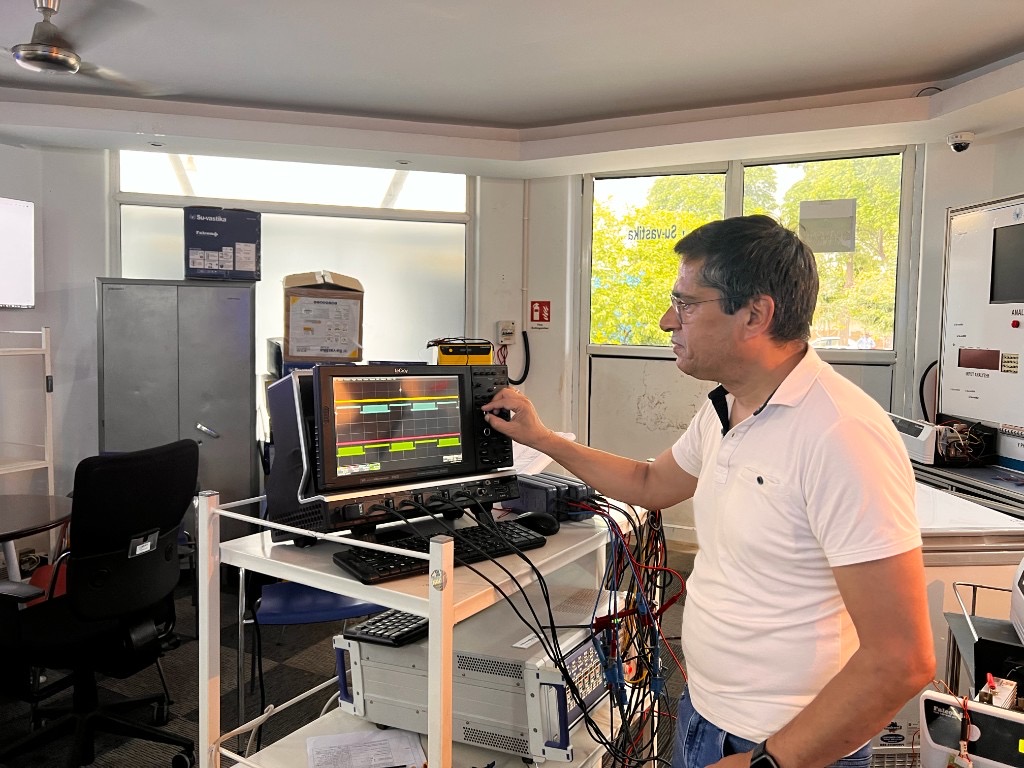
Then it was 5kVA. Then 10kVA. Then the home UPS category. Then three-phase. Then a 100kVA industrial inverter. Then online UPS. Then solar online UPS. None of that happened in a vacuum — press in India tracked nearly every turn, from a Hindustan Times interview and a Times of India feature on cutting India's power cuts, to Forbes India asking why Su-Kam was suddenly looking up at the sun the year I pushed the company into solar, to a Business Standard report on a former President of India inaugurating one of our mini solar plants in 2015.
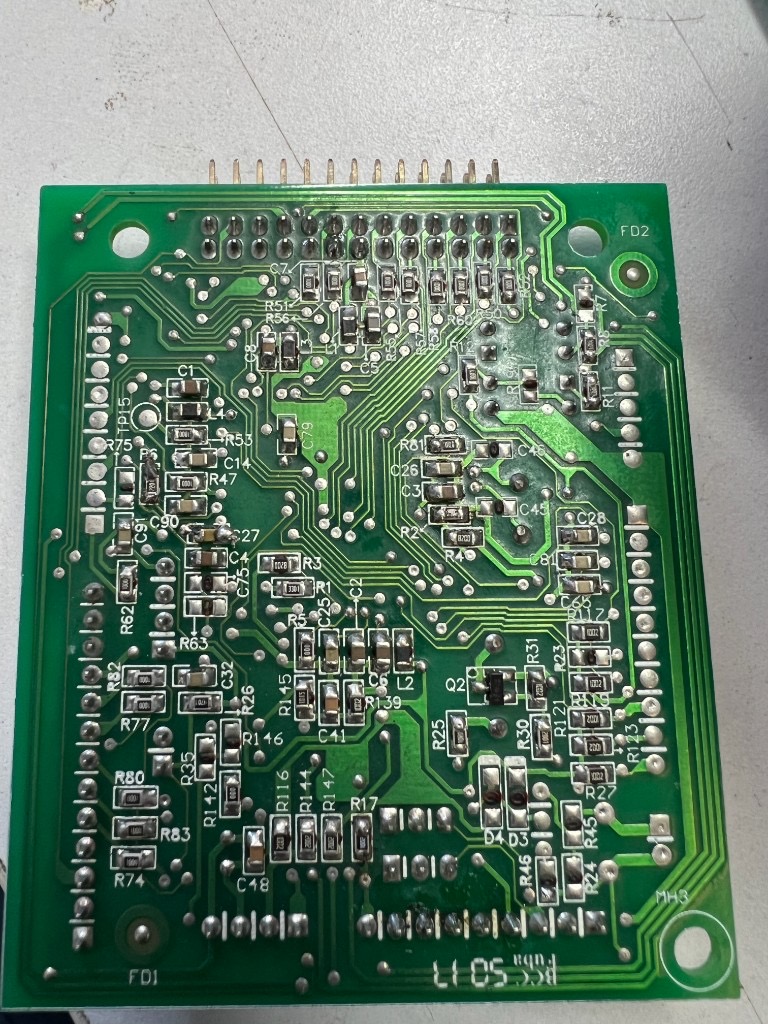
Somewhere in between all of that, I wasn't just building products — I was designing and building serious, lab-grade testing equipment from scratch: rigs capable of putting inverters, UPS systems and solar power products through the same load, surge and endurance testing an industrial lab would run, so a dealer or a customer never had to take my word for the engineering — they could watch the numbers on the screen themselves. That instinct never left; testing equipment is still one of the product lines my current company builds today. And once that first generation of rigs was done, I turned around and started teaching our own people how to open a Facebook page, a YouTube channel, a LinkedIn account for the business — back when Instagram wasn't even born yet.
I never got bored of life. I simply never gave myself permission to stand still long enough to feel it. Psychologists have a word for a mind that keeps generating new directions instead of settling into one — multipotentiality, as the National Association for Gifted Children puts it. Kazimierz Dabrowski, whose work groups like SENG still teach from today, called the intensity underneath it an overexcitability. I would just have called it Tuesday.
Here's the part that still embarrasses me a little: when people talk about what I've achieved, I'm usually the one person in the room who isn't impressed. I see the crack before I see the wall. The gap between what something does and what it could still do is the only thing my mind seems able to hold onto for more than a day.
It isn't fake humility, and it isn't perfectionism in the small, tidy sense people usually mean. Subotnik, Olszewski-Kubilius and Worrell (2011) describe giftedness less as a finished trait and more as a trajectory — ability that has to keep becoming something else, over and over, at every stage of a life. If that's true, then never quite feeling satisfied isn't a flaw in how I'm made. It might just be that trajectory refusing to let "good enough" be the last word.
But — and I only understand this now — it also cost me something. Decades of research, and the people at the Davidson Institute who work with gifted people every single day, all point to the same quiet danger: the same fire that keeps building can starve everything standing next to it.
Then my bad time started. A divorce. On paper, it should have been a smaller problem than launching a 100kVA industrial inverter line from nothing. It wasn't even close. And for the first time in my life, I understood why: I did not understand my own emotions. Not even a little.
I could take a sine wave apart down to its last component and rebuild it better. I could put two R&D teams on the same problem and know instinctively which one to trust. But I had never once turned that same relentlessness on myself. There's a term for this gap I only learned much later — asynchronous development, what the Gifted Development Center calls it when a mind races decades ahead of its own heart. My intellect had been sprinting since I was a boy. My emotional vocabulary had never once been asked to take a single step. Nobody warns you that the same brain that solves everything else can leave you a stranger to yourself.
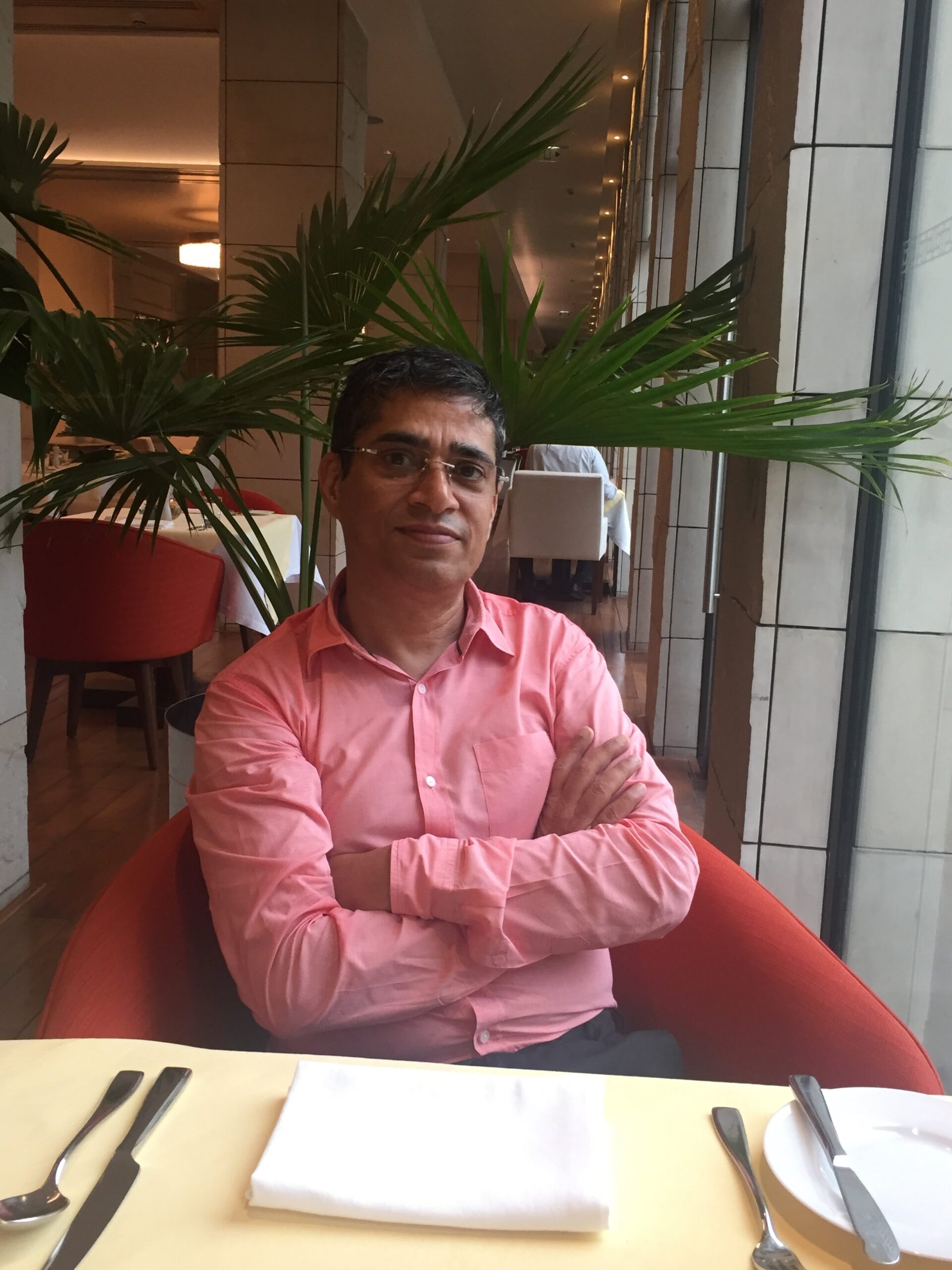
It isn't comfortable to admit that in public. But I've written before about how the same intensity that solved my hardest engineering problems also cost me the people closest to me, and I'd rather say it plainly than leave it out: no achievement, however large, teaches you what you feel, or why. Only slowing down does that. And I never slowed down.
Life went on, the way it always insists on doing. A new company, Su-Vastika, built by my wife Khushbhoo and me, with a new team of professionals alongside a few old stalwarts from the Su-Kam days. A new partner. New milestones, because that is simply how I'm built and I've stopped apologising for it. But I don't chase the next idea the way I used to. I try — badly, some days — to pause in the space between one chapter closing and the next one opening, long enough to actually ask myself what I felt during the last one, and not just what I built.
And here's the part that still makes me smile: the learning didn't slow down either. Su-Vastika's research roster today reads like a list of industries I hadn't touched at Su-Kam — emergency rescue devices for lifts and elevators, lithium batteries, hybrid inverters, energy storage systems and EV chargers, plus more of that same lab-grade testing equipment, alongside new technology aimed at cutting the pollution diesel generators cause. According to coverage of the new company, we've filed for dozens of technology patents across India, the United States and other countries since — at one stretch, nearly two a month, which I'm told is a record pace for the power back-up industry. I don't say this to boast. I say it because it's proof of the same pattern this whole essay is about: finishing something was never the point. Learning the next thing was.
If you recognise yourself in any of this — the ideas that refuse to stop, the achievements that never quite land, the flaws that shout louder in your own head than any praise ever could — you are probably a gifted adult, and you are far less alone in this than you think. The restlessness isn't the problem. It has built real, good things in my life, and it may be building real things in yours too. The problem is only ever letting it run so fast, for so long, that you forget to turn around and ask what, exactly, it's been running from.
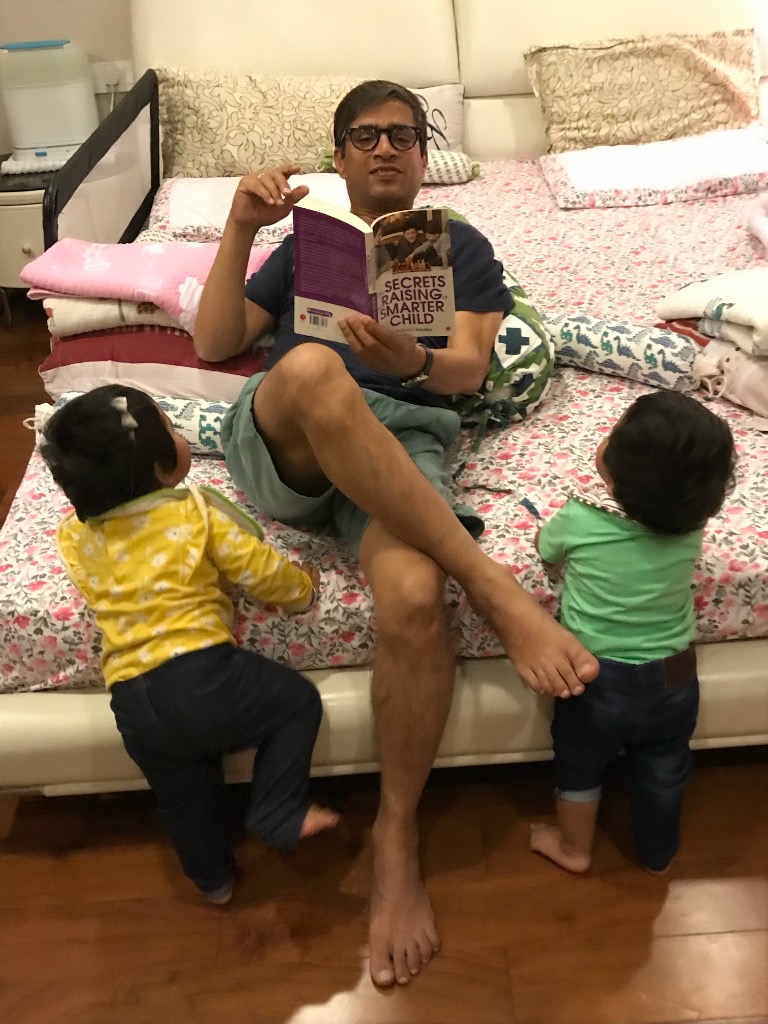

From a jungle of wires on his living-room floor, Kunwer built Su-Kam into one of India's best-known inverter brands and created the world's first plastic-body inverter, the Chic. After losing it all, he is building again with Kunwwer.ai. He discovered he was a gifted adult at 47 — the experience that led him to found Gifted Grownups and GiftedKids.in.
Editorial note: This essay reflects Kunwer Sachdev's personal experience as a gifted adult and founder, including a brief reference to divorce and emotional self-awareness. It is intended for reflection and is not a substitute for professional psychological, medical or legal advice. If you are navigating a difficult life transition, consider speaking with a licensed counsellor or therapist.
Honest writing on gifted adulthood — from inside the experience, for the Indian reality.
No spam. Unsubscribe anytime. support@giftedgrownups.com