Why brilliant minds struggle to connect — and how learning patience changed everything for me as a leader.
For as long as I can remember, I lived life on fast-forward.
While my mind was already racing three steps ahead — mapping out intricate frameworks, anticipating roadblocks, visualising the final destination — the rest of the world felt frustratingly slow. I used to walk into rooms brimming with ideas, burning with urgency, and walk out exhausted, angry and deeply misunderstood.
If you are a gifted adult, this dynamic probably sounds painfully familiar. You know the exact sinking feeling of staring at a team member, repeating yourself for the third time, and realising that the profound, crystal-clear vision in your head has landed on them like absolute gibberish.
For years, I blamed everyone else. Why don't they get it? Why is this so hard? Why am I always surrounded by people who can't keep up?
It took me a long time — and a lot of bruised professional relationships — to realise that the breakdown wasn't always a lack of capability on their part. It was a failure of translation on mine.
We rarely talk about the emotional toll of giftedness in adulthood. Society celebrates gifted children with trophies, acceleration programmes and high expectations. But when those children grow up and enter the workforce, they often become isolated leaders, misunderstood managers and frustrated team members — a pattern documented in peer-reviewed literature at least since Neihart's 1999 review in the Roeper Review and reframed for policy in Subotnik, Olszewski-Kubilius & Worrell (2011) in Psychological Science in the Public Interest.
Neuroscience tells us that gifted brains literally process information differently, structurally and functionally. Neural pathways fire faster, pattern recognition happens subconsciously and instantly, and complexity is processed with ease. Organisations that work with gifted adults every day — from SENG (Supporting Emotional Needs of the Gifted) to Linda Silverman's Gifted Development Center — have been describing this pattern for decades. The Polish psychiatrist Kazimierz Dabrowski called the accompanying intensity overexcitability.
Because of this, our internal reality feels blindingly obvious. When we share an idea, we aren't just sharing a suggestion — we are sharing the final frame of a movie whose entire plot we just mentally generated in half a second. It is close to what Mihaly Csikszentmihalyi called flow — but a flow the rest of the room did not enter with you.
When others look confused, our brains misinterpret that hesitation. We don't see a processing gap; we see resistance, incompetence or apathy. And that is where the emotional fracture begins.
Looking back, the biggest casualty of my professional life wasn't a lack of brilliant ideas. I had plenty of those. The casualty was connection and empathy.
In my relentless rush to get things done, I left a trail of intimidation behind me. I was always in a hurry. I lacked the patience to lay down stepping stones for others. I demanded execution without offering clarity, expecting people to magically meet me at my altitude.
People weren't just confused by me — they were scared of me.
When you operate from a place of chronic impatience, you inadvertently create a culture of fear. Team members stop asking clarifying questions because they are afraid of looking foolish. They nod along just to get out of the room, and your grand ideas inevitably die on the vine — not because they weren't good, but because nobody else knew how to water them.
I had the vision, but I lacked the bridge. And a brilliant idea left stranded on an island of your own making is completely useless. I have written elsewhere about the day this same wiring made me shut down my own best-selling product — the intensity that solved the problem was the same intensity that scared the people I most needed on side.
The turning point didn't come from a productivity book or a leadership seminar. It came from quiet, humbling self-reflection.
I had to accept a hard truth: if you cannot explain something simply, or if you cannot meet people where they are, the communication gap is your responsibility.
Bridging that gap required a complete rewiring of how I approached my team:
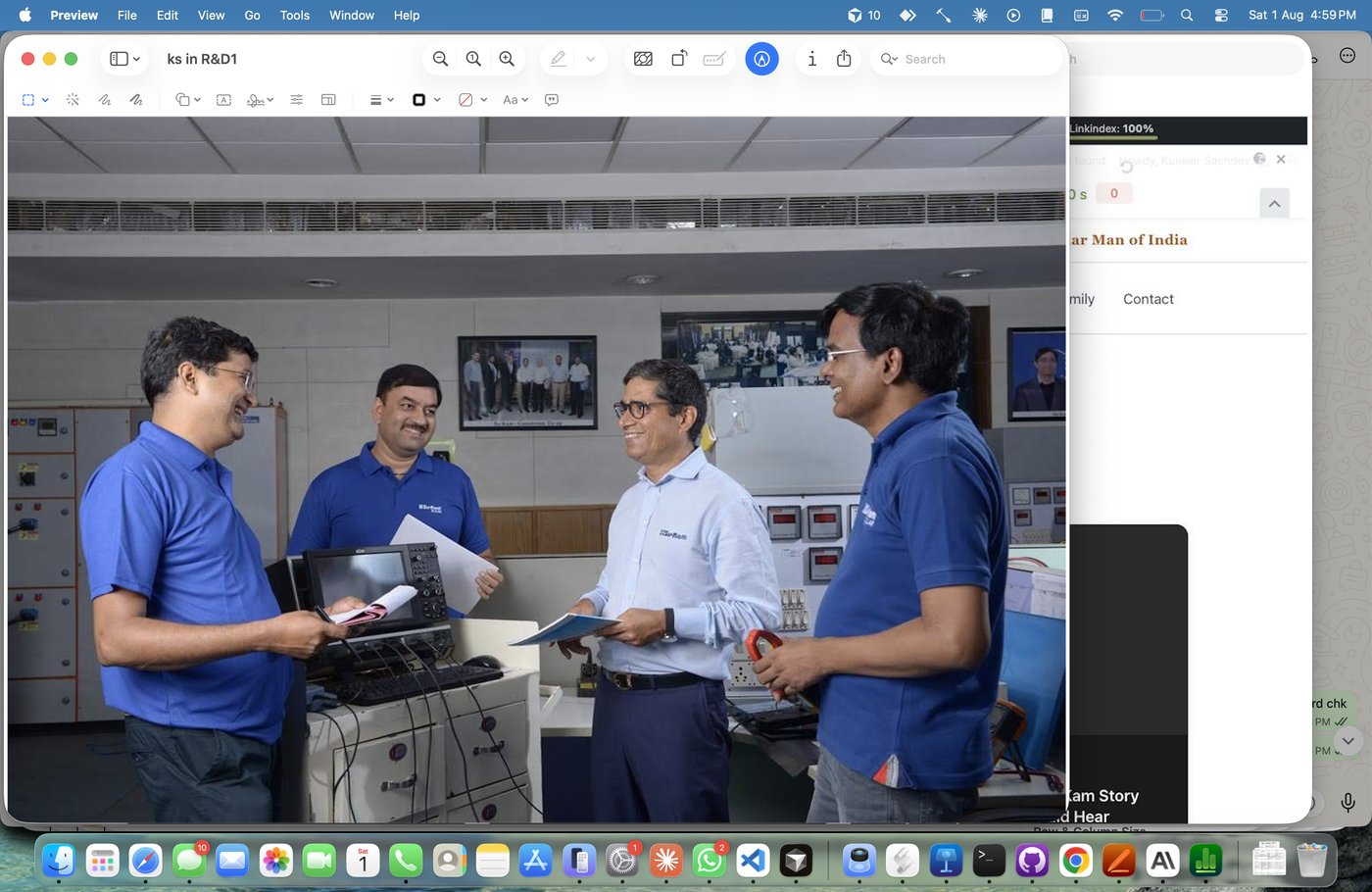
If you recognise yourself in these words — if you have spent years feeling like an alien in your own workplace, exhausted by the friction of trying to make people understand you — take a deep breath.
You are not broken, and neither are they. You are simply speaking different dialects of human thought. This is the same pattern many gifted adults describe about their own working lives, and it is the pattern I finally had a name for at 47 — the moment I read the word "gifted" and my whole life reorganised at once.
The greatest lesson I've learned is that giftedness isn't a licence to outrun everyone else. It is a profound responsibility to guide them gently. When you trade impatience for empathy, and urgency for clarity, everything changes. Your ideas finally find the implementation they deserve — and, more importantly, you stop feeling so terribly alone in a crowded room.
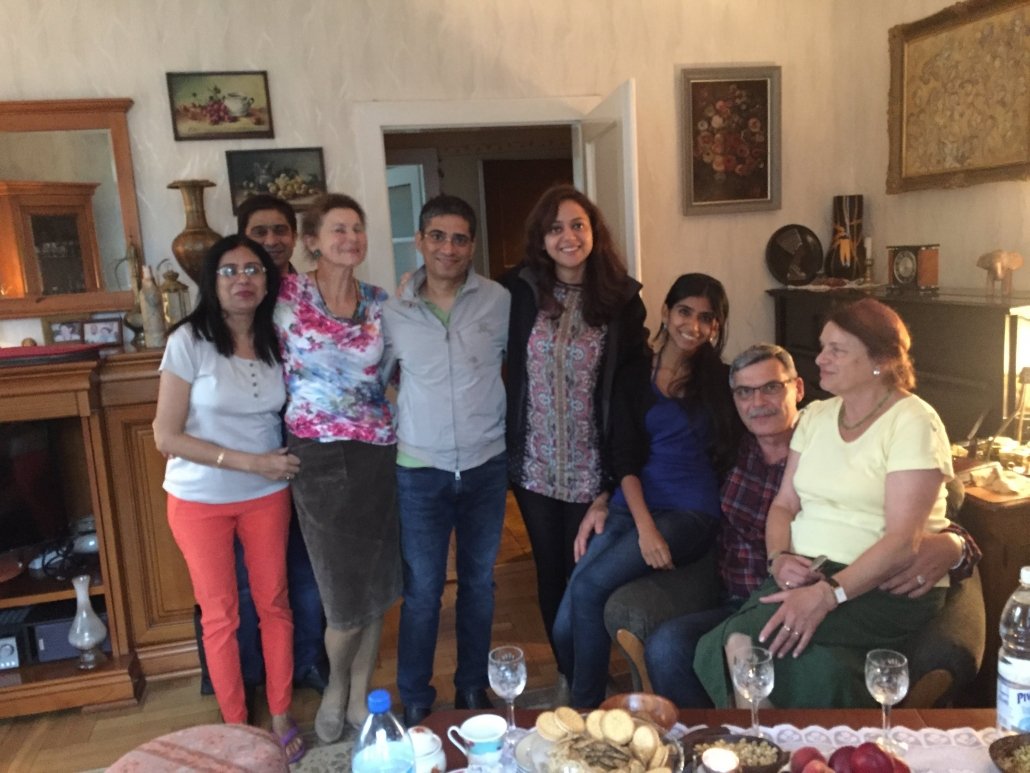

From a jungle of wires on his living-room floor, Kunwer built Su-Kam into one of India's best-known inverter brands and created the world's first plastic-body inverter, the Chic. After losing it all, he is building again with Kunwwer.ai. He discovered he was a gifted adult at 47 — the experience that led him to found Gifted Grownups and GiftedKids.in.
Editorial note: This essay reflects Kunwer Sachdev's personal experience as a gifted adult leader. It is intended for reflection and is not a substitute for professional psychological or leadership advice.
Honest writing on gifted adulthood — from inside the experience, for the Indian reality.
No spam. Unsubscribe anytime. support@giftedgrownups.com