Brilliant minds क्यों connect करने में struggle करते हैं — और patience सीखने ने leader के रूप में मेरे लिए सब कैसे बदला।
जितना याद है, मैंने life को fast-forward पर जिया।
जब मेरा mind पहले से तीन कदम आगे दौड़ रहा होता — frameworks बनाता, roadblocks anticipate करता, final destination visualise करता — बाकी दुनिया frustrate करने वाली धीमी लगती। Rooms में ideas से भरा, urgency से जलता हुआ घुसता, और थका, गुस्से में, deeply misunderstood होकर निकलता।
अगर तुम gifted adult हो, तो ये dynamic शायद दर्दनाक रूप से familiar लगे। Team member की ओर घूरना, तीसरी बार खुद को दोहराना, और ये महसूस करना कि सिर में crystal-clear vision उनके पास absolute gibberish की तरह गिरी — वो sinking feeling तुम जानते हो।
सालों तक मैं बाकी सबको दोष देता रहा। वे क्यों नहीं समझते? ये इतना कठिन क्यों है? मैं हमेशा ऐसे लोगों से घिरा क्यों हूँ जो keep up नहीं कर पाते?
बहुत समय लगा — और बहुत सी bruised professional relationships — ये समझने में कि breakdown हमेशा उनकी capability की कमी नहीं थी। अक्सर मेरी तरफ translation की failure थी।
Adulthood में giftedness की emotional toll पर हम शायद ही बात करते हैं। Society gifted children को trophies, acceleration programmes और high expectations से celebrate करती है। लेकिन जब वही बच्चे बड़े होकर workforce में आते हैं, अक्सर isolated leaders, misunderstood managers और frustrated team members बन जाते हैं — ये pattern peer-reviewed literature में कम से कम Neihart की 1999 Roeper Review से documented है, और Subotnik, Olszewski-Kubilius & Worrell (2011) ने Psychological Science in the Public Interest में policy के लिए reframed किया।
Neuroscience कहती है gifted brains सच में information differently process करती हैं — structurally और functionally। Neural pathways तेज़ fire होती हैं, pattern recognition subconscious और instant होती है, complexity आसानी से बैठ जाती है। जो organisations रोज़ gifted adults के साथ काम करती हैं — SENG से Linda Silverman के Gifted Development Center तक — दशकों से इसी pattern को describe कर रही हैं। Polish psychiatrist Kazimierz Dabrowski साथ वाली intensity को overexcitability कहते थे।
इसी वजह से हमारी internal reality blindingly obvious लगती है। जब हम idea share करते हैं, सिर्फ suggestion नहीं दे रहे होते — हम movie का final frame share कर रहे होते हैं, जिसका पूरा plot आधे सेकंड में mentally generate हो चुका होता है। ये करीब वही है जिसे Mihaly Csikszentmihalyi flow कहते थे — बस वो flow जिसमें बाकी room तुम्हारे साथ enter नहीं हुई।
जब दूसरे confused दिखते हैं, हमारा brain उस hesitation को गलत पढ़ लेता है। Processing gap नहीं दिखता; resistance, incompetence या apathy दिखती है। और यहीं से emotional fracture शुरू होती है।
पीछे मुड़कर देखूँ तो professional life का सबसे बड़ा casualty brilliant ideas की कमी नहीं थी। Ideas बहुत थीं। Casualty connection और empathy थी।
Things done करने की relentless rush में मैंने पीछे intimidation का trail छोड़ा। हमेशा जल्दी में। दूसरों के लिए stepping stones बिछाने का patience नहीं। Clarity दिए बिना execution माँगता — expect करता कि लोग जादुई तरह मेरे altitude पर मिल जाएँ।
लोग सिर्फ confuse नहीं होते थे — वे मुझसे डरते थे।
जब तुम chronic impatience से operate करते हो, unintentionally fear की culture बन जाती है। Team members clarifying questions पूछना बंद कर देते हैं क्योंकि foolish दिखने का डर रहता है। वे सिर्फ room से निकलने के लिए nod करते हैं, और तुम्हारे grand ideas vine पर मर जाते हैं — इसलिए नहीं कि अच्छे नहीं थे, बल्कि इसलिए कि किसी और को नहीं पता था उन्हें कैसे पानी देना है।
Vision था, bridge नहीं। और अपनी ही island पर फँसी brilliant idea पूरी तरह useless है। मैंने कहीं और लिखा है कि इसी wiring ने एक दिन अपना ही best-selling product बंद करवा दिया — जो intensity problem solve करती थी, वही intensity उन लोगों को डराती थी जिनकी मुझे सबसे ज़्यादा ज़रूरत थी।
Turning point किसी productivity book या leadership seminar से नहीं आया। Quiet, humbling self-reflection से आया।
एक कठिन सच स्वीकार करना पड़ा: अगर तुम कुछ simply explain नहीं कर सकते, या लोगों से वहीं नहीं मिल सकते जहाँ वे हैं, तो communication gap तुम्हारी ज़िम्मेदारी है।
उस gap को bridge करने के लिए team approach को पूरी तरह rewire करना पड़ा:
अगर इन शब्दों में खुद को पहचानते हो — अगर सालों workplace में alien जैसा feel किया है, लोगों को समझाने की friction से थक चुके हो — तो एक गहरी साँस लो।
तुम broken नहीं हो, और वे भी नहीं। तुम बस human thought के अलग dialects बोल रहे हो। यही pattern कई gifted adults अपनी working life में describe करते हैं, और यही pattern जिस पर 47 पर आखिर नाम मिला — जब मैंने "gifted" शब्द पढ़ा और पूरी life एक साथ reorganise हो गई।
सबसे बड़ी lesson: giftedness बाकी सबको outrun करने का licence नहीं। Gently guide करने की profound responsibility है। जब impatience को empathy से बदलते हो, और urgency को clarity से, सब बदल जाता है। Ideas को वो implementation मिलती है जिसके वे हकदार हैं — और उससे भी ज़रूरी, crowded room में इतना terribly alone feel करना बंद हो जाता है।
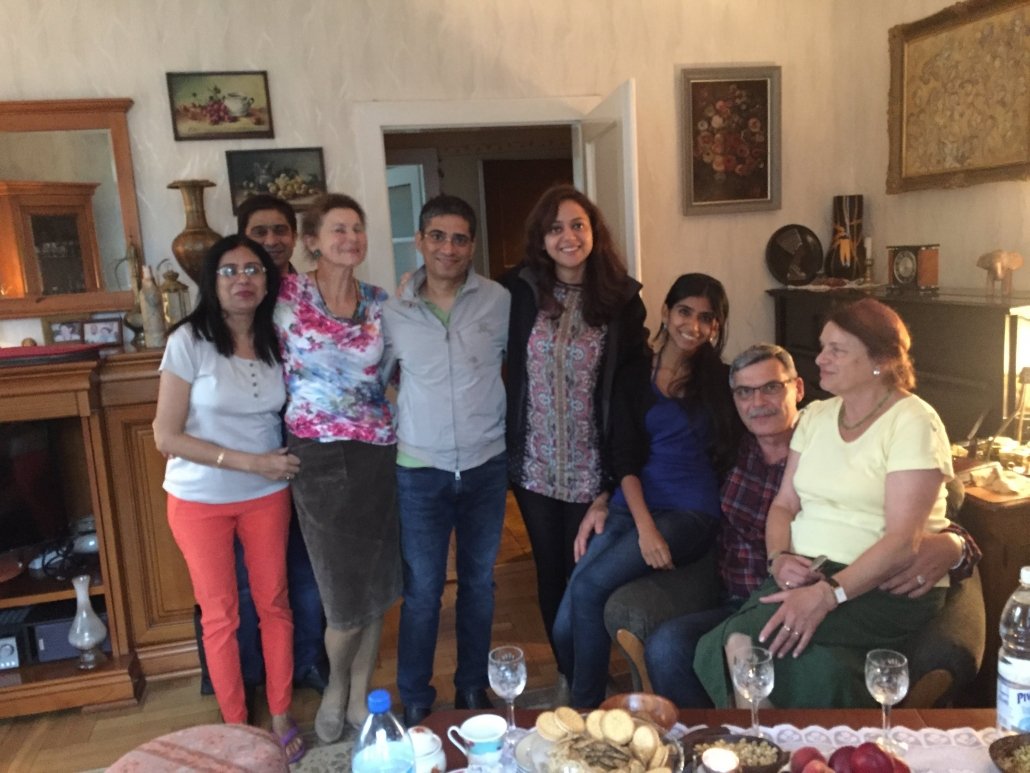

Living-room floor पर तारों के jungle से कुंवर ने Su-Kam बनाया और दुनिया का पहला plastic-body inverter, Chic, create किया। सब खोने के बाद अब Kunwwer.ai के साथ फिर build कर रहे हैं। 47 पर पता चला कि वे gifted adult हैं — वही experience जिसने Gifted Grownups और GiftedKids.in जन्म दिए।
Editorial note: यह essay कुंवर सचदेव का personal experience है gifted adult leader के रूप में। Reflection के लिए है — professional psychological या leadership advice का विकल्प नहीं।
Gifted adulthood पर honest writing — experience के अंदर से, Indian reality के लिए।
No spam. Unsubscribe anytime. support@giftedgrownups.com