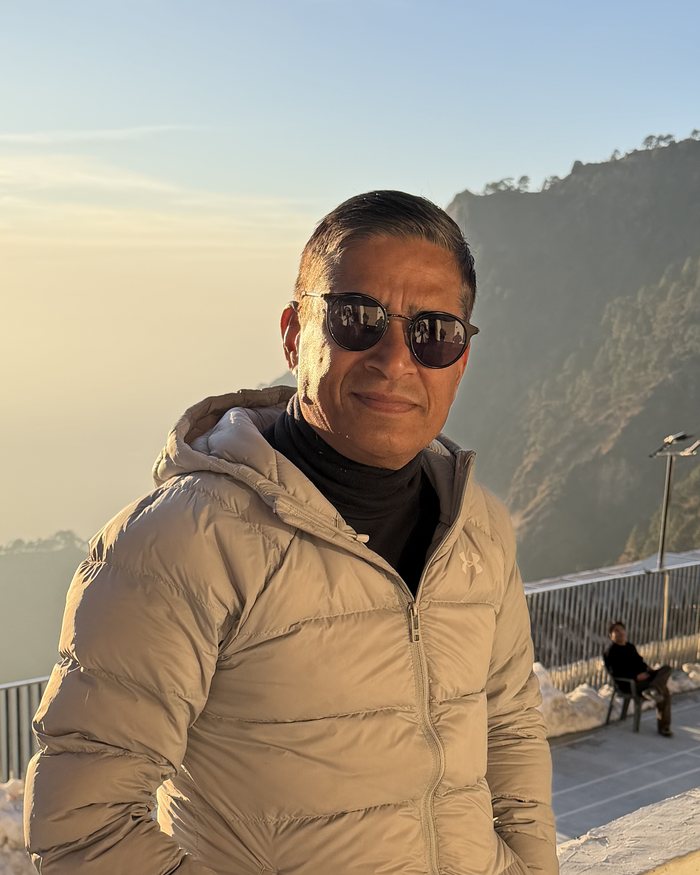
I did not come from a technical background. I had no formal engineering degree. But once I learned the basic fundamentals of how things work, my mind entered a state where it was constantly thinking about new product innovation based on the challenges and friction I saw right in front of me.
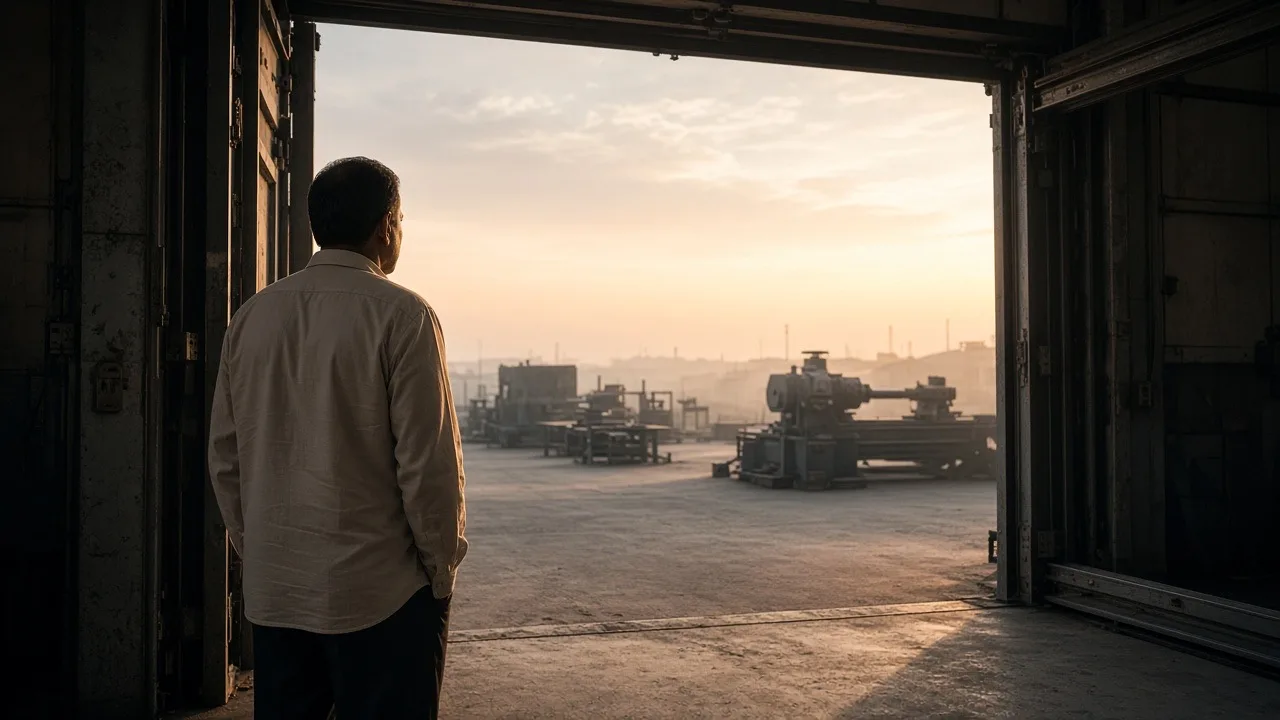
In the early days, everyone was using square-wave inverters. When the power went out and the inverter kicked in, ceiling fans made a terrible grinding noise and home appliances hummed heavily. I saw that and knew immediately: we had to remove that noise. A sine wave was the only real solution.
Back then, there was no sine-wave inverter in the Indian market to copy or take an idea from. There was no reference model on the shelf. So we took the existing square-wave technology we understood and improved around that same technology until we engineered our own pure sine wave.
Then came the next problem. Customers were installing two, four, or more batteries together, and they kept failing because one bad battery would pull down the rest. We realized the system needed to manage the individual cells, so we conceived and built our own Battery Management System (BMS)—at a time when no other company in India was thinking about it or had ever made such a product.
Then customers needed more capacity, so we made 5 kVA and 10 kVA inverters.
Then came the switching-time problem. When the power failed, the slight delay caused computers to reboot and machines to halt. We worked on the switching technology until all our inverters could run computers and computer-based equipment without a momentary blackout. That single shift created the Home UPS market across the country.
Then came 3-phase inverters.
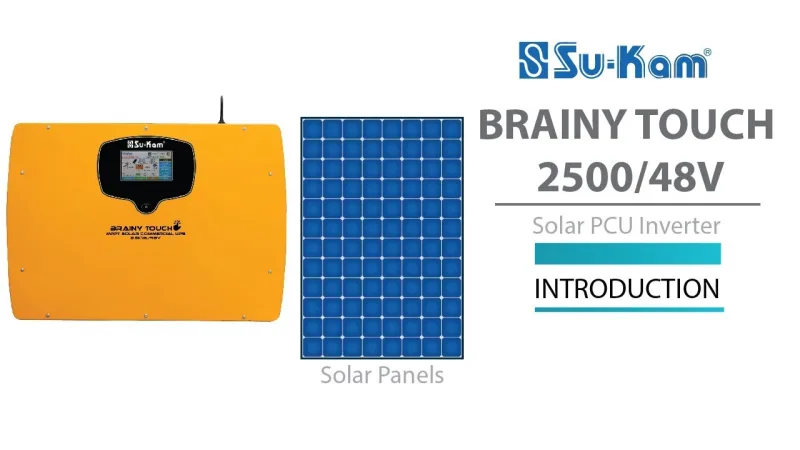
Then we moved into solar chargers—first PWM-based, and then MPPT. Then came Solar PCUs on PWM and MPPT architectures, followed by 3-phase Solar PCUs, grid-tie inverters, and hybrid inverters. We developed battery monitoring systems and created custom comparison machines so people could see live, side-by-side performance testing of inverters, batteries, UPS units, and Solar PCUs.
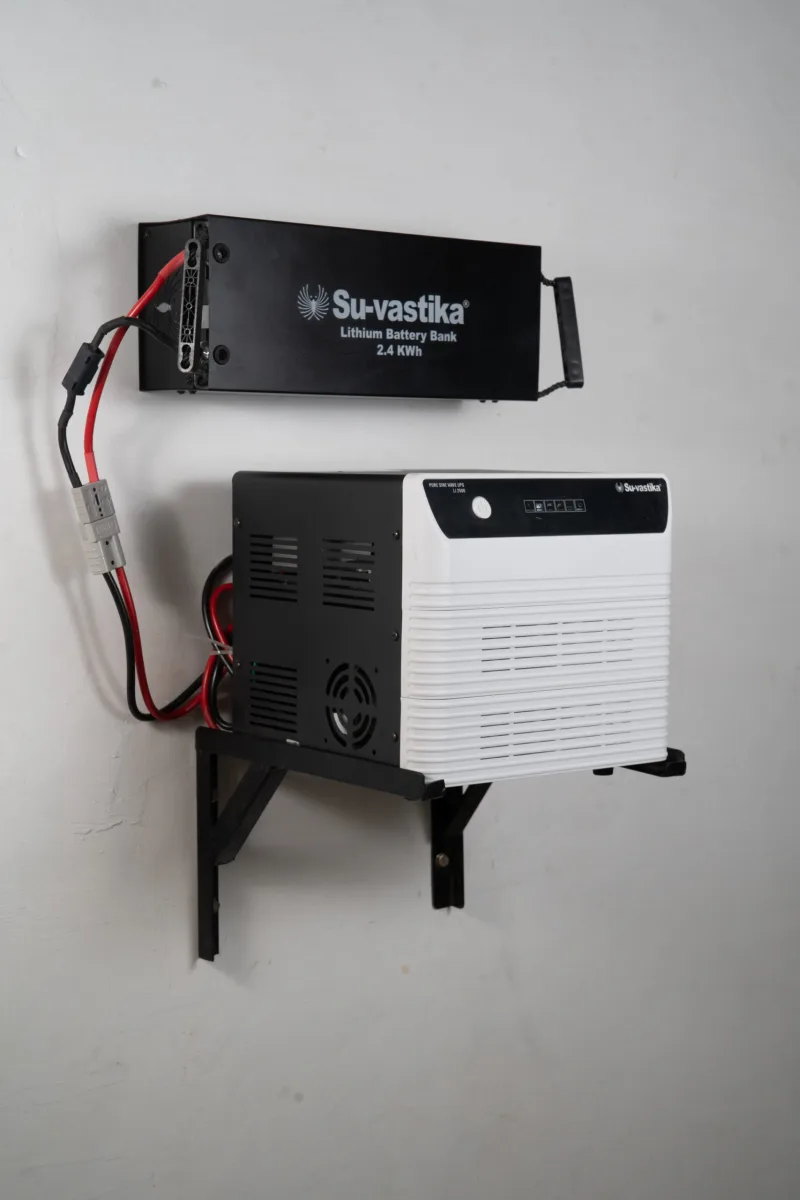
Then came the Solar Mate—a product designed specifically to convert an existing non-solar inverter into a solar inverter without replacing the whole setup. We worked through solar batteries, tubular batteries, gel batteries, then lithium batteries, and finally Battery Energy Storage Systems (BESS).
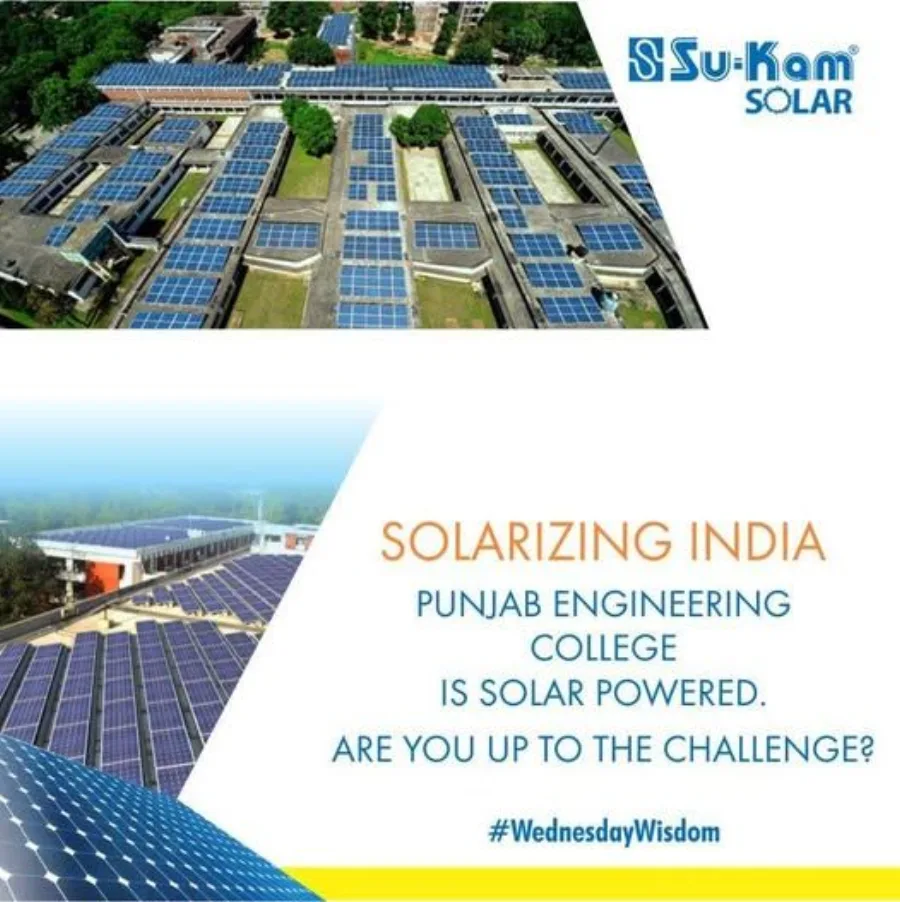
We didn't just build hardware for boxes on a wall; we took solar to actual scale across the country. I set up dedicated project teams to take solar to remote borders, off-grid villages, and massive institutional rooftops. Under my leadership, Su-Kam engineered and commissioned one of India's first 1 MW institutional grid-connected rooftop solar plants at Punjab Engineering College (PEC) in Chandigarh—proving to Indian industry that large-scale rooftop solar could be built and grid-synchronized by a homegrown electronics company. The wider installation trail is archived on solarmanofindia.com and in The Solar Projects.
The story kept going and never finished. Every time one solution was running, the next challenge was already waiting.
Building the Physical Machine
I poured my life into building the physical reality of these ideas. We built our first factory in Nangal Raya in Delhi, then set up the factory in Gurgaon along with our dedicated R&D center. As we expanded, I took on the construction of four complete factories in Baddi, Himachal Pradesh, another advanced R&D center in Gurgaon, and a corporate office.
We opened direct international offices in Nepal, Bangladesh, Dubai, and Nigeria. I kept hiring people, training people from the ground up, and learning myself every single day. I was always working hard to create new products, new systems, new processes, and new places.
When Everything Is Gone
And then, one day, everything was gone.
Over the course of my life, I built three houses and turned them into homes. I nurtured a family for twenty years. And in the storm that followed, every single bit of it fell away. The company, the houses, the security—everything was wiped out.
Most people get destroyed when they lose what they spent decades building. They get stuck in courts, drown in bitterness, or spend their remaining years obsessing over what the world is saying about them.
I didn't do that. I started afresh.
Together with my wife Khushboo as founder, we built Su-vastika from zero, took it through modern lithium energy storage, and last year we sold that company.
Now, in my sixties, I am learning artificial intelligence from the ground up with Kunwwer.ai. I teach college students as a Professor of Practice, and I work with early-stage startups on completely new challenges. It is a totally new experience and a completely new phase of learning. The challenges have continued throughout my entire life without stopping.
Living in My Own World
What people think of me, I genuinely do not care. I do not live for social opinions or market gossip. I care about one thing only: how to create new things.
I don't come to know how people think about me because I am in my own world, struggling every day to achieve whatever is possible in the time given to me.
Building factories and pioneering an industry was hard. But learning to let go in my life—truly letting go of the empire, the houses, the past, and starting from zero without looking back—is my biggest achievement.
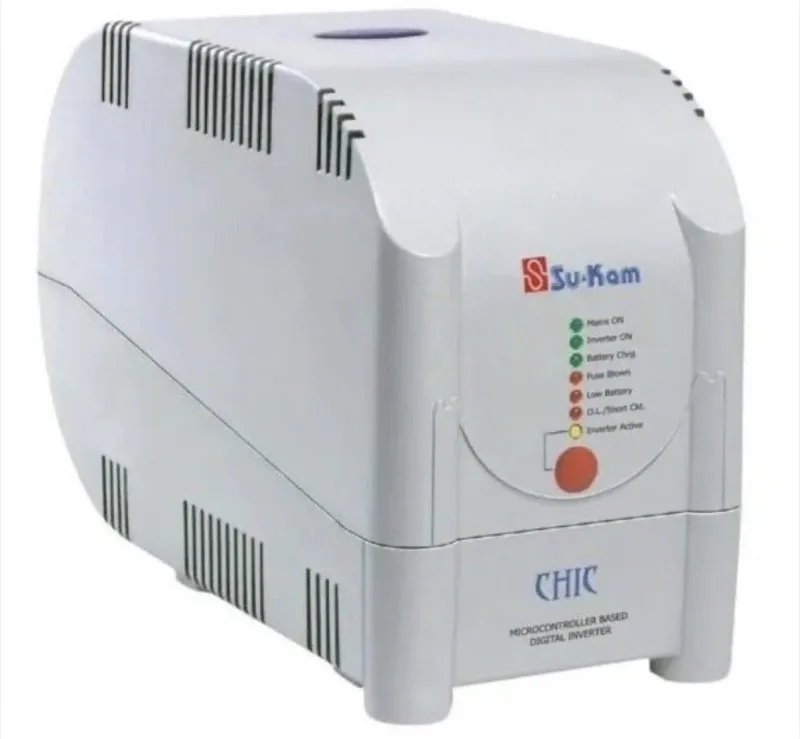
Milestone Innovations: From Plastic Chassis to Lithium ESS
Frequently asked questions
How did a non-engineer pioneer sine-wave inverters and solar PCUs in India?
I did not invent from an engineering credential. Once I learned the basics, I engineered from friction I could see: square-wave fan noise became pure sine wave when no Indian product existed to copy; multi-battery bank failures led to a BMS; switching work created the Home UPS category; then 3-phase, solar chargers and PCUs, Solar Mate, comparison machines, lithium, and BESS followed — one challenge after another.
What did you lose, and what did letting go mean?
The company, three houses turned into homes, and a twenty-year family foundation were wiped out. Letting go meant refusing to stay stuck in courts, bitterness, or gossip — starting afresh so creation could continue. See also the day Su-Kam died.
What did starting from zero look like after Su-Kam?
Together with my wife Khushboo as founder, we built Su-vastika from zero through modern lithium energy storage and sold that company last year. Now I am learning AI from the ground up, teaching as a Professor of Practice, and working with early-stage startups. Learning to let go is my biggest achievement.